Instant water heaters, also known as tankless water heaters, can cut energy use by up to 30% compared to traditional tank systems. That’s a major reason they’ve become a go-to choice for homeowners looking to save on utility bills without sacrificing comfort. These systems heat water only when you need it — no storage tank, no standby energy loss, just hot water on demand.
In this guide, we’ll walk through how instant water heaters work, what makes them different from conventional models, and what you should know before installing one in your home. At House Plumbing, we’ve installed and serviced countless units over the years, so we know exactly what works, what doesn’t, and how to help you decide if one of these systems fits your needs.
- What instant water heaters are and how they differ from tank-based systems
- The step-by-step process of how these heaters operate
- Key components inside the unit, from flow sensors to heat exchangers
- Installation tips, energy savings, and potential downsides
- New trends and smart features shaping the future of water heating
By the end of this article, you’ll understand the full picture — from how instant water heaters work to whether they’re the right solution for your home’s hot water needs.
What Is an Instant Water Heater?
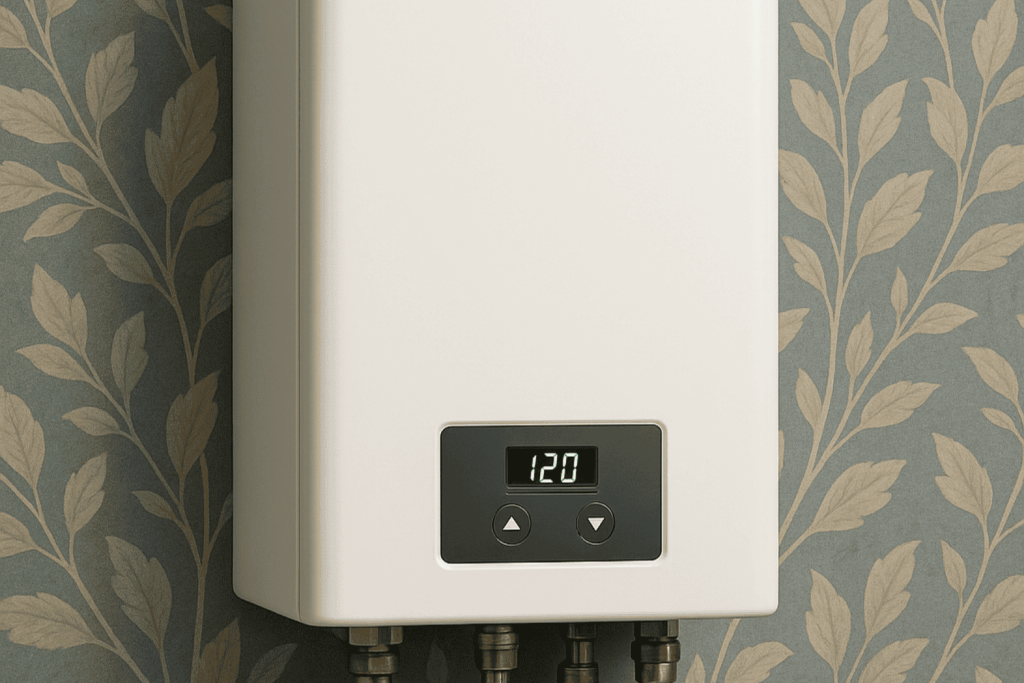
An instant water heater, more commonly known as a tankless water heater, is a device that heats water only when it’s needed. Unlike traditional water heaters that store a set amount of hot water in a tank, tankless models eliminate the storage tank entirely. This difference is key to how they save energy and deliver hot water more efficiently.
No Storage Tank
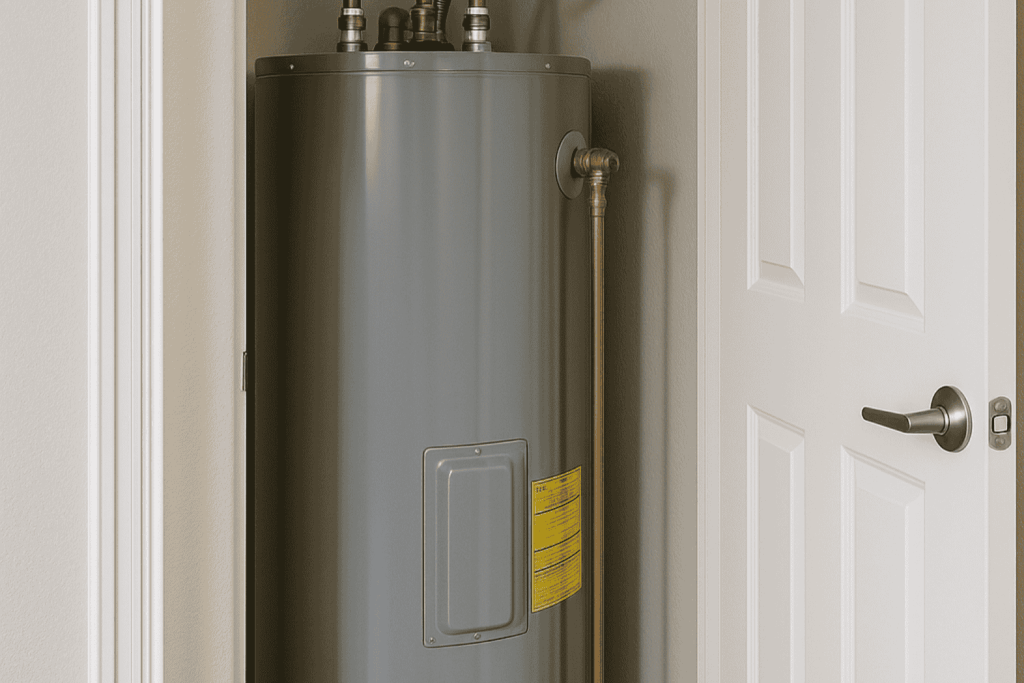
Traditional water heaters keep a large reservoir of water heated continuously, which uses energy even when no one is using hot water. In contrast, instant water heaters heat water on demand. When you turn on a hot water tap, cold water flows into the unit, where it is quickly heated and delivered to your faucet. Since there’s no standing water in a tank, the risk of bacterial growth, such as Legionella, is significantly reduced.
Common Energy Sources
Tankless water heaters are powered by either electricity or gas:
- Electric models use resistance heating elements to warm the water as it passes through the unit.
- Gas models rely on combustion burners fueled by natural gas or propane to heat the water rapidly.
Each type has its own advantages, which we’ll explore later in this guide.
How Instant Water Heaters Work (Step by Step)
When someone asks, “how do instant water heaters work,” the answer lies in a precise sequence of events that turns cold water into hot water almost immediately.
Water Flow Activation
The process begins the moment a hot water tap is opened. A built-in flow sensor detects the movement of water and sends a signal to the heating system to activate. This ensures that the heater only operates when hot water is actually needed.
Heating Through a Heat Exchanger
Once activated, the water flows through a heat exchanger. This component is typically made of copper or stainless steel, chosen for its excellent heat conductivity and durability. Electric models use heating elements to warm the exchanger, while gas models use burners. The water quickly absorbs the heat as it moves through the exchanger, reaching the desired temperature before exiting the unit.
Instant Shutoff
When the hot water tap is closed, the flow sensor detects the stop in water movement and shuts off the heating mechanism. This automatic shutoff is what eliminates standby energy losses, a significant source of wasted energy in traditional systems.
Key Components Inside the Unit
Understanding the parts that make up an instant water heater helps explain how these systems work so efficiently.
Flow Sensors and Activation Controls
Flow sensors are the first responders in the heating process. When they detect water flow, they trigger the activation of the heating element or burner. Some models include temperature sensors to ensure the water heats to the correct level and maintains that temperature during use.
Heat Exchanger
The heat exchanger is where the cold water becomes hot. Copper is commonly used due to its high thermal conductivity, though stainless steel is favored in areas with hard or corrosive water because of its resistance to scale and corrosion.
Heating Elements or Burners
Electric models use resistive heating elements, which are similar to those in electric stovetops. Gas models use combustion burners, and these often offer faster heating and higher flow capacities, making them well-suited for larger households or commercial applications.
Smart Features and Safety Controls
Modern tankless water heaters often include:
- Digital thermostats for precise temperature control
- Wi-Fi connectivity for remote monitoring and scheduling
- Safety features like thermal cutoffs, ground-fault protection, and overheat sensors
These features not only improve convenience but also enhance safety and energy efficiency.
Energy Efficiency and Cost Savings

One of the standout benefits of instant water heaters is their energy efficiency. Because they only operate when hot water is needed, they avoid the constant energy drain of maintaining a tankful of hot water.
No Standby Heat Loss
Traditional heaters lose energy by keeping water hot even when it’s not being used. Tankless models eliminate this issue entirely by heating water only when it’s needed.
Advanced Efficiency Controls
Many newer models use microprocessor-based PID (Proportional-Integral-Derivative) logic to modulate power use. These controls adjust the heating output based on flow rate and temperature demand, optimizing performance and reducing energy waste.
Installation and Usage Considerations
Before switching to a tankless water heater, homeowners should consider a few important factors.
Professional Installation Is Key
Correct installation is crucial for both safety and performance. At House Plumbing, we’ve seen firsthand how improper installation can lead to inefficiency, safety hazards, or voided warranties. A licensed professional ensures that gas lines, electrical wiring, and ventilation are set up properly.
Placement and Space Benefits
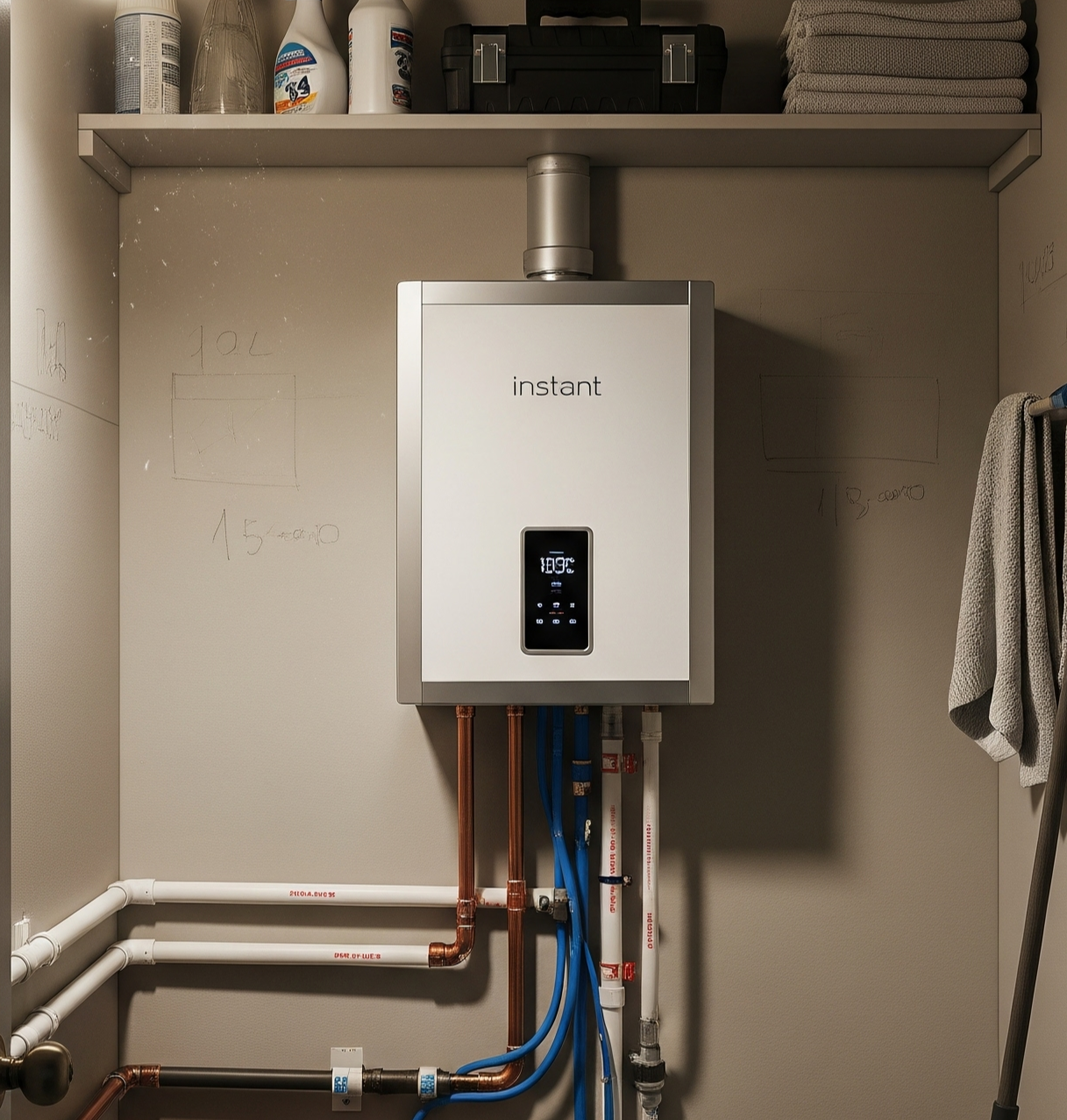
Tankless units are compact and often wall-mounted, making them ideal for small homes, apartments, or even outdoor installations. Their size frees up valuable space that a bulky tank unit would otherwise occupy.
Application Versatility
These systems are used in a wide range of settings, including:
- Kitchens
- Bathrooms
- Laundry rooms
- Hot tubs
- Commercial kitchens
- Remote or off-grid locations
Types of Instant Water Heaters
There are two main types of tankless water heaters, each with its own installation requirements and performance characteristics.
Electric Instant Water Heaters
Electric models are typically easier to install and don’t require venting. They’re ideal for smaller homes or point-of-use applications like under-sink installations. They tend to have lower upfront costs but may be limited in flow rate depending on the local electrical infrastructure.
Gas or Propane Instant Water Heaters
Gas-powered models use combustion burners and usually offer higher flow rates. They’re better suited for larger households or homes with multiple simultaneous hot water needs. These units do require proper ventilation to safely expel combustion gases.
Pros and Cons for Homeowners
As with any home appliance, instant water heaters come with both advantages and limitations.
Benefits
- Energy savings: Reduced energy bills due to on-demand heating
- Endless hot water: No tank means you won’t run out of hot water
- Compact design: Saves space and can be wall-mounted
- Faster delivery: Hot water reaches taps more quickly, reducing waste
Drawbacks
- Higher initial cost: Upfront purchase and installation costs can be significant
- Flow rate limitations: May struggle to supply multiple outlets simultaneously
- Maintenance needs: Regular descaling may be required, especially in areas with hard water
Market Trends and Innovations
Manufacturers are consistently improving tankless water heater technology to meet growing consumer expectations.
Smart Controls and Remote Access
Many modern units now include:
- Mobile app control for temperature and scheduling
- Notifications for maintenance or performance issues
- Integration with home automation systems
Improved Safety and Durability
Newer models offer:
- Leak detection systems
- Acid-resistant coatings for heat exchangers
- Extended lifespans with proper maintenance
Why We Know Instant Water Heaters
At House Plumbing, we’ve been working with instant water heaters for years. Our team has installed and serviced units in all types of homes and commercial settings. We understand the technical details, the common pitfalls, and how to select the right system for your specific needs.
Years of Hands-On Experience
We’ve helped countless homeowners upgrade from tank-based systems to high-efficiency tankless models, and we’ve seen the difference it makes in energy savings and comfort.
Trusted Advice Based on Real-World Knowledge
Our recommendations are based on what works in real-world conditions, not just manufacturer specs. Whether you’re building a new home or retrofitting an older one, we can guide you through the selection and installation process with confidence.
What to Remember About Instant Water Heaters
Instant water heaters offer an efficient, space-saving, and convenient way to meet your home’s hot water needs. They work by heating water only when it’s needed, using flow sensors and a heat exchanger to deliver consistent hot water without the standby losses of traditional systems. Choosing between electric or gas models depends on your household size, water usage habits, and local utilities.
If you’re considering upgrading your water heating system, House Plumbing can help you make the right choice and ensure a professional installation that gets the most from your investment.
Citations
- U.S. Department of Energy – Tankless or Demand-Type Water Heaters
- GE Appliances – Tankless Water Heater Guide
- Rinnai – Ultimate Guide to Instantaneous Water Heaters
- Rheem – Tankless Water Heating Products
- Bradley Corporation – Specification Guideline for Instant Water Heaters
- Stiebel Eltron – How Do Instantaneous Water Heaters Work?
- Wikipedia – Tankless Water Heating