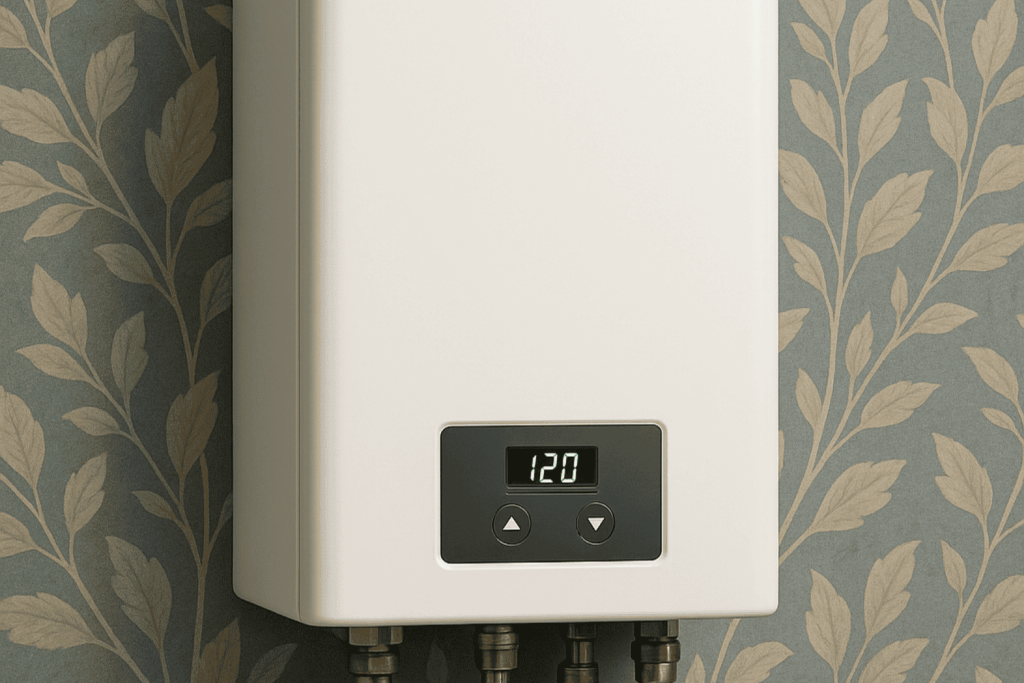
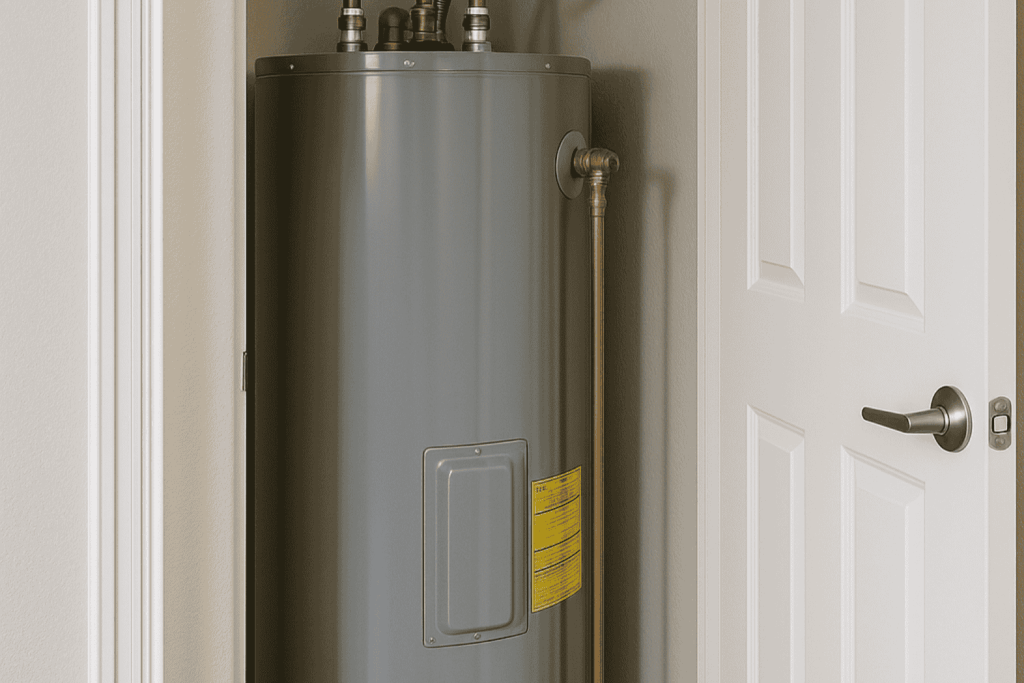
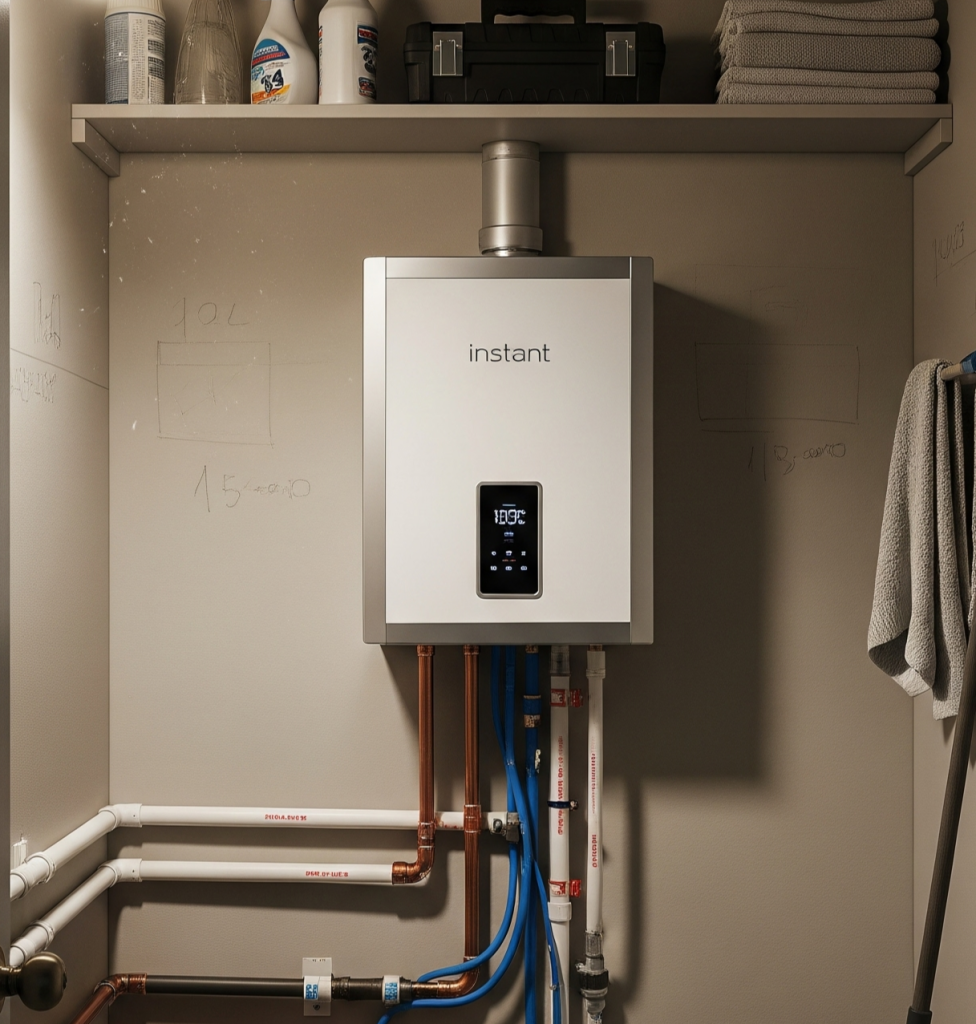
Tankless water heaters can last up to twice as long as traditional tank models, averaging between 15 and 20 years with proper care. Some high-end models have even been known to keep running for 30 years under ideal conditions. That kind of longevity makes a big difference when you’re thinking about long-term investments in your home’s plumbing system.
For homeowners, replacing a water heater is a major expense, so understanding how long a system will last and what affects that lifespan is crucial. At House Plumbing, we’ve worked with tankless water heaters for years and have seen firsthand how maintenance, materials, and installation quality all play a role in how long these systems perform reliably.
In this article, we’ll break down everything you need to know about the lifespan of tankless water heaters, including:
- How long tankless water heaters typically last compared to traditional models
- What makes tankless systems more durable and efficient over time
- The biggest factors that can shorten or extend your unit’s service life
- Maintenance steps that help protect your investment year after year
- What we’ve seen in real homes through years of hands-on experience
By the end of this guide, you’ll have a clear understanding of what to expect from your tankless water heater and how to help it last as long as possible.
Average Lifespan of Tankless Water Heaters
When homeowners ask, “How long do tankless water heaters last?” the answer is often one of the biggest reasons they consider switching from a traditional model. On average, a tankless water heater will last between 15 and 20 years, which is nearly double the typical 8 to 12 years you get from a conventional tank-style unit.
This longer lifespan is one of the main benefits of going tankless, especially for those looking to make a smart long-term investment.
Lifespan Expectations
The bulk of residential tankless water heaters fall into the 15–20 year range when they’re properly maintained. This is a significant improvement over tank models, which often fail because their steel tanks corrode from the inside. Since tankless units don’t store water, they avoid this particular issue entirely.
Premium Units and Maximum Lifespan
Some high-end models, especially those with stainless steel heat exchangers, can last 25 to 30 years under ideal conditions. Brands like Navien are known for using more durable materials and offering warranties that reflect their confidence in product longevity.
These units can be a worthwhile investment for homeowners who plan to stay in their homes for a long time or who want to reduce the frequency of replacements.
Why Tankless Water Heaters Last Longer
The extended lifespan of tankless water heaters isn’t just about materials. Their design and how they operate both contribute to their durability.
On-Demand Heating Reduces Wear
Tankless systems heat water only when it’s needed. This means the internal components aren’t constantly working like they are in a traditional tank system, which maintains a full tank of hot water 24/7. Less constant use results in less wear and tear over time.
No Storage Tank = Less Corrosion Risk
One of the biggest failure points in traditional water heaters is the tank itself. Over time, sediment settles at the bottom and corrodes the steel, eventually causing leaks. Tankless units don’t store water, so there’s no tank to corrode. This design alone eliminates one of the most common reasons for water heater failure.
Factors That Affect Lifespan
While tankless water heaters are built to last, certain conditions can shorten or extend their life expectancy.
Water Quality
Hard water is one of the most common threats to a tankless heater’s longevity. It contains high levels of calcium and magnesium, which can cause scale buildup inside the heat exchanger. Over time, this reduces efficiency and causes internal corrosion.
To combat this, homeowners in hard water areas should consider installing a water softener or commit to regular descaling.
Installation Location
Where the unit is installed plays a big role in how long it lasts. Locations like garages, attics, or crawl spaces can expose the system to extreme temperatures. Cold environments may cause freezing, while hot, unventilated spaces put extra stress on the unit. Installing the heater in a climate-controlled indoor space can help extend its life.
Usage and Flow Rate
Every tankless water heater has a maximum flow rate, usually measured in gallons per minute (GPM). If your household demand frequently exceeds this capacity, the unit will be under constant strain. Choosing a model that matches your household size and usage needs is essential for long-term performance.
Temperature Settings
Setting your water heater to high temperatures (above 120°F) may seem like a good way to get hotter water faster, but it accelerates scale formation and puts more stress on internal components. Keeping the temperature moderate helps preserve the system.

Importance of Maintenance
Even the best-built tankless water heater won’t reach its full lifespan without maintenance. At House Plumbing, we’ve seen many units fail early simply because they weren’t properly cared for.
Regular Flushing
Flushing the system removes mineral deposits that can build up over time, especially in areas with hard water. This should be done at least once a year. Without flushing, scale can clog the heat exchanger and reduce efficiency, eventually leading to failure.
Professional Inspections
Annual inspections by a licensed plumber can catch issues, like small leaks, corrosion, or declining performance, early. These checkups often include testing the burner, inspecting the venting system, and verifying flow rates to ensure everything is working as it should.
Material and Build Quality
The materials used in a tankless water heater significantly affect how long it will last.
Stainless Steel vs Copper Heat Exchangers
Units with copper heat exchangers tend to have a shorter lifespan, often between 12 and 15 years. Copper is more prone to corrosion, especially in hard water environments. On the other hand, stainless steel heat exchangers are far more resistant to rust and scale, allowing the unit to operate efficiently for a much longer time.
Brand Considerations
Not all tankless water heaters are created equal. Some manufacturers, like Navien, build their systems with higher-end components and offer longer warranties. These brands are often better suited for homeowners looking for durability and long-term performance.
Energy and Cost Benefits Over Time
The long lifespan of a tankless water heater doesn’t just mean fewer replacements; it also means more energy savings over time.
Lower Energy Use
According to the U.S. Department of Energy, a gas-fired tankless water heater saves the average household about $108 per year in energy costs compared to a traditional tank model. Electric models save around $44 annually. These savings add up over the 15 to 20-year lifespan.
Better Return on Investment
When you combine the energy savings with the longer lifespan, tankless water heaters often deliver a better return on investment than tank models. Fewer replacements, fewer repairs, and lower utility bills make them a smart long-term choice for many homeowners.
What We’ve Seen at House Plumbing
At House Plumbing, we’ve worked with hundreds of tankless water heaters over the years. Our hands-on experience gives us insight into what works, and what doesn’t, when it comes to maximizing lifespan.
Common Reasons for Early Failure
The biggest issues we see leading to early failure include:
- Neglecting annual maintenance, especially flushing
- Improper installation, such as incorrect venting or poor placement
- Using a unit too small for the household’s hot water needs
- Ignoring warning signs, like reduced water pressure or inconsistent temperatures
These problems are usually avoidable with proper setup and care.
Lifespan Success Stories
We’ve also seen plenty of success stories. Some homeowners have had their tankless systems running strong for over 20 years, thanks to:
- Regular professional servicing
- Installing in climate-controlled areas
- Using water softeners in hard water regions
- Choosing high-quality brands with stainless steel components
These examples show that with the right approach, a tankless water heater can be a reliable and long-lasting part of your home.
Make Your Investment Last
Tankless water heaters typically last 15 to 20 years and, in many cases, even longer with good maintenance and the right conditions. The key factors that determine their lifespan include water quality, installation location, flow rate, temperature settings, and build materials.
At House Plumbing, we’ve seen firsthand how proper care and professional installation can make a big difference in how long your system performs efficiently.
Whether you’re thinking about installing a new tankless water heater or want to get the most out of your current one, reach out to House Plumbing. Our experienced team is here to help you protect your investment and enjoy years of reliable hot water.
Citations
- U.S. Department of Energy – Tankless or Demand-Type Water Heaters
- Energy.gov – Building America – Tankless Water Heaters
- Energy Star – Technical Bulletin: Demand Water Heaters
- Energy Star – Save More with ENERGY STAR Gas Tankless Water Heaters
- University of Georgia – Choosing a New Water Heater
- Western Rooter – How Tankless Water Heaters Work
- EHA Solutions – Water Heater Lifespan Comparison