Tankless water heaters can reach energy efficiency ratings as high as 98%, far surpassing the 40%–60% range typical of traditional tank models. That level of efficiency means more hot water with less energy use, which is a major reason why more homeowners are considering making the switch.
So, are tankless water heaters worth it? Also known as on-demand water heaters, these systems heat water only when you need it. No storage tank, and no standby energy loss. At House Plumbing, we’ve installed and serviced countless tankless systems, and we’ve seen how the benefits can outweigh the drawbacks, depending on the home and household needs.
In this article, we’ll break down what makes tankless water heaters appealing, where they fall short, and whether they’re a smart investment for your home. You’ll learn:
- How tankless water heaters work and how they differ from traditional systems
- The top tankless water heater benefits, from energy savings to space efficiency
- Common drawbacks including cost, maintenance, and flow limitations
- What to expect in terms of installation, upkeep, and long-term savings
- How to decide if a tankless system is the right fit for your household
By the end of this post, you’ll have a clear understanding of the pros and cons of tankless water heaters and whether their benefits align with your home’s needs and your long-term budget goals.
How Tankless Water Heaters Work
Tankless water heaters, also referred to as on-demand water heaters, operate in a fundamentally different way than traditional storage tank systems. Instead of storing heated water in a tank, these systems heat water only when a hot water tap is turned on. This method allows for greater efficiency and a virtually endless supply of hot water.
On-Demand Heating
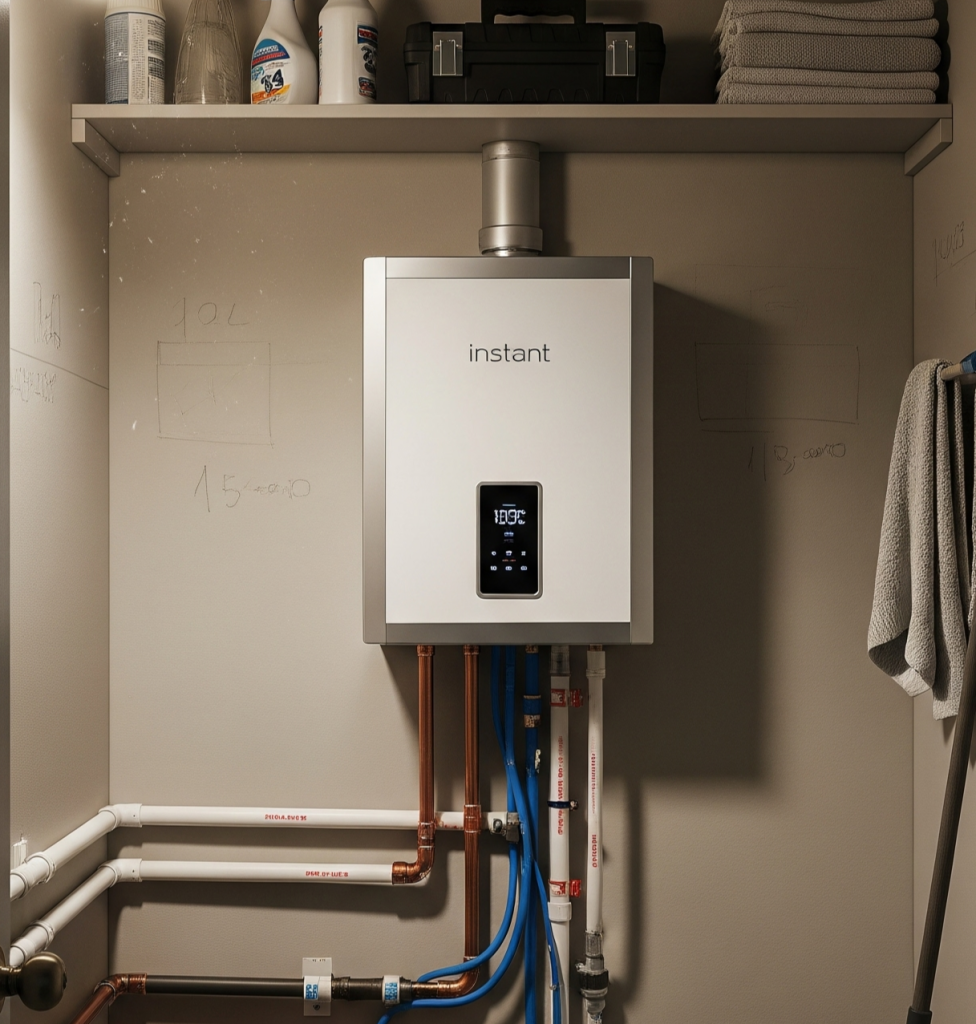
When you turn on a hot water faucet, cold water flows through the tankless unit, where it’s instantly heated by either a gas burner or an electric heating element. Because there’s no storage tank, the system doesn’t waste energy keeping water hot when it’s not needed. This design eliminates standby heat loss, which is one of the primary inefficiencies of traditional systems.
Endless Hot Water Supply
One of the biggest benefits of a tankless water heater is its ability to deliver a continuous flow of hot water. Unlike tank systems that can run out of hot water after a long shower or multiple uses, tankless models heat water as it’s needed.
This makes them particularly useful for large families or households with high hot water demand. At House Plumbing, we’ve installed tankless systems in homes with multiple bathrooms, and our clients love not having to wait for the water to reheat.
Compact and Wall-Mounted
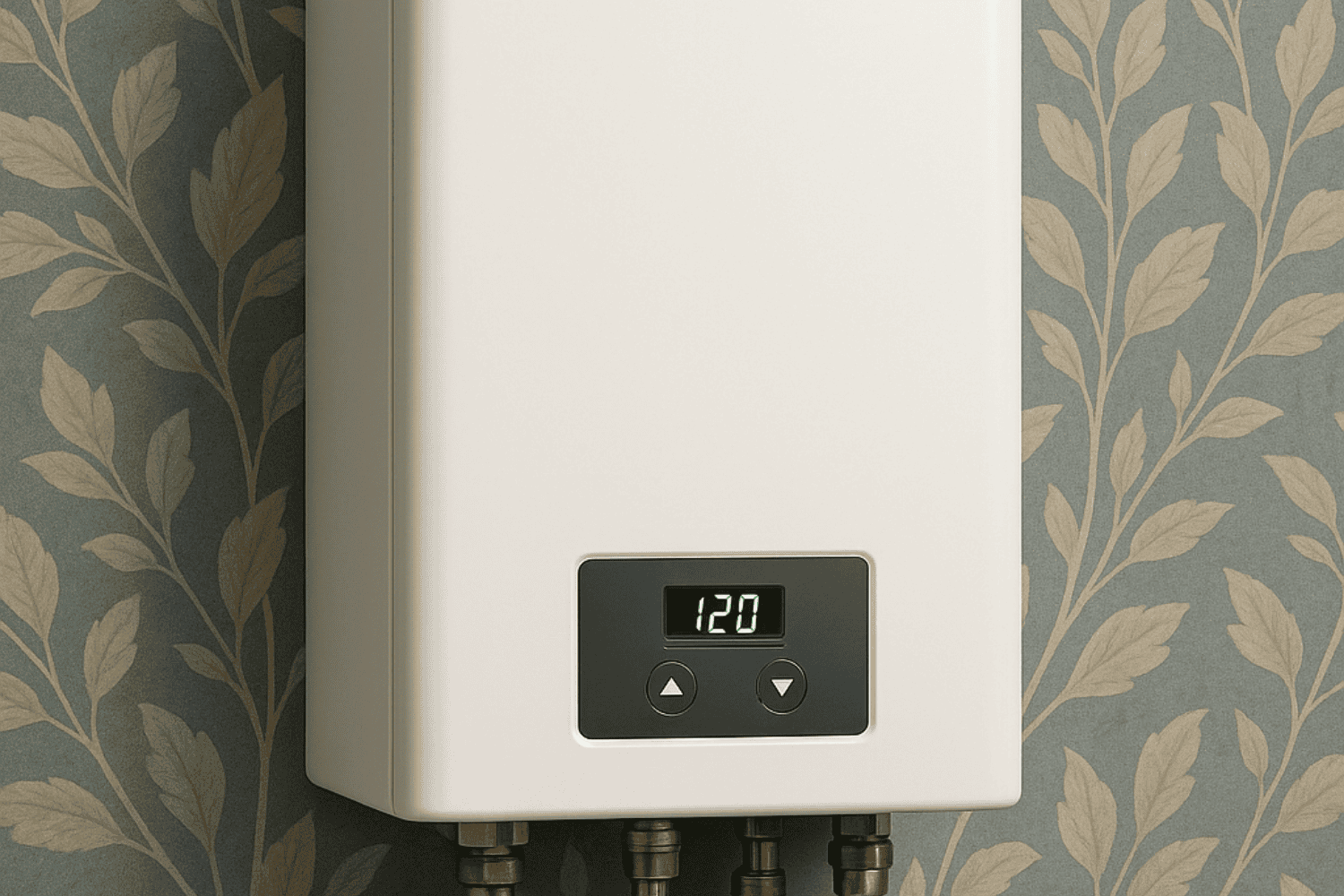
Tankless water heaters are significantly smaller than conventional models. They are typically mounted on a wall, freeing up valuable floor space. This makes them ideal for smaller homes, apartments, or utility rooms where space is limited. Their compact design also allows more flexibility in placement, whether near the point of use or centrally located.
Tankless Water Heater Benefits
There are several reasons homeowners are turning to tankless systems. Let’s look at the most common tankless water heater benefits.
Energy Efficiency and Lower Bills
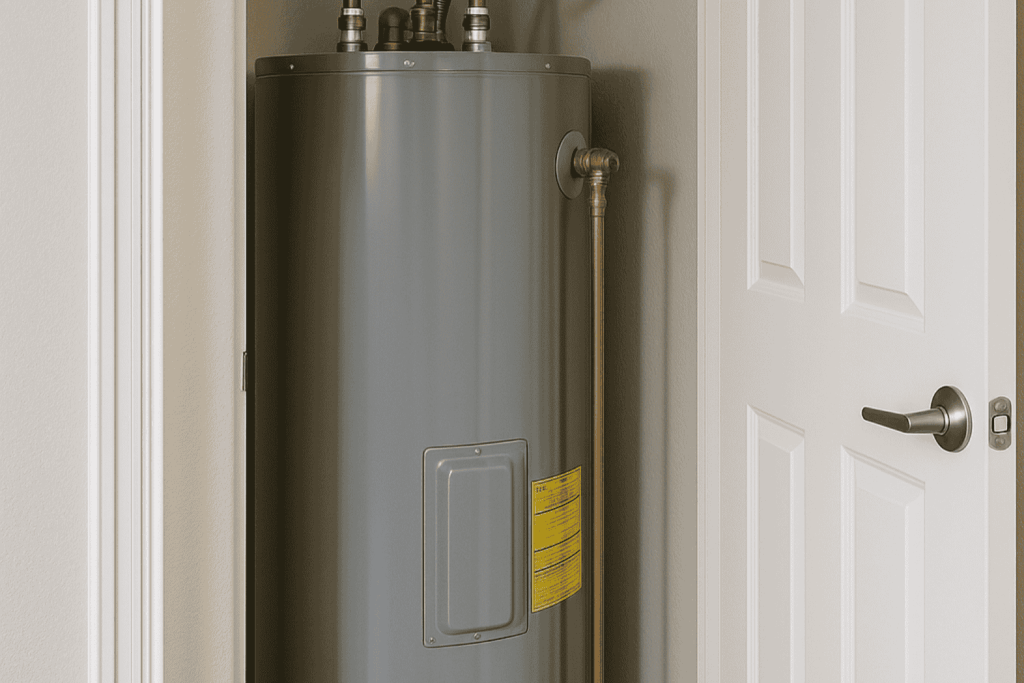
Tankless units are known for their high energy efficiency. With efficiency ratings as high as 98%, they outperform traditional tank water heaters that usually fall between 40% and 60%. This can translate into energy savings of 8% to 50% depending on your household’s water usage. Over time, these savings can help offset the higher upfront cost.
Long Lifespan and Durability
Tankless water heaters typically last 15 to 20 years or longer, nearly double the lifespan of traditional tank models. Many components are replaceable, which can make repairs more cost-effective and extend the unit’s operational life.
Environmental Impact
Because they use less energy and last longer, tankless systems contribute to a smaller carbon footprint. Reduced fuel consumption means fewer greenhouse gas emissions, making these systems a more environmentally friendly option.
Space Savings and Design Flexibility
Wall-mounted and compact, tankless heaters free up space in utility rooms, closets, or garages. This is especially beneficial in smaller homes or condos where every square foot counts. Their flexible installation options also make them easier to integrate into various layouts.

Tankless Water Heater Drawbacks
While the benefits of tankless water heaters are compelling, they’re not the perfect fit for every home. Understanding the tankless water heater drawbacks is key to making an informed decision.
Higher Upfront and Installation Costs
Tankless systems cost more upfront. Units typically range from $800 to $3,500, not including installation. Installation can be complex and may require upgrades to your home’s gas line, venting, or electrical system. These additional costs can add up quickly.
Maintenance Requirements
To keep your unit running efficiently, regular maintenance is required. Annual descaling is recommended to prevent mineral buildup, especially in areas with hard water. Maintenance costs can range from $75 to $300 per year. Repairs, when needed, can be more expensive than with tank models, averaging around $600 depending on the issue.
Flow Rate Limits and Power Dependency
A single tankless unit may struggle to supply hot water for multiple uses at the same time, such as running a dishwasher and two showers. For larger homes, multiple units or a larger capacity system may be necessary. Electric models also depend on your home’s electrical capacity, and both gas and electric units may be affected during power outages.
Cost vs. Long-Term Savings
Upfront Investment vs. Utility Savings
While the initial cost is higher, the energy savings from a tankless water heater can add up. Depending on your usage, you might see a noticeable drop in your utility bills. Over time, this can help recoup the upfront cost.
Payback Period and Incentives
The payback period for a tankless system typically ranges from 10 to 25 years. That range depends on how much hot water your household uses and local energy rates. Federal tax credits and state or utility rebates can also reduce your initial cost, especially for ENERGY STAR-certified models.
Value Over Time
Given their longer lifespan and lower energy use, tankless water heaters can be a smart long-term investment. They may also add value to your home, as more buyers look for energy-efficient systems.
Installation and Maintenance Considerations
Professional Installation Required
Due to the complexity of installation, a licensed plumber is usually required. At House Plumbing, we’ve helped many homeowners with the installation process, ensuring their systems are up to code and optimized for performance.
Infrastructure Upgrades
Many homes need upgrades before a tankless system can be installed. This might include enlarging gas lines, adding new venting, or upgrading your electrical panel. These costs should be factored into your overall budget.
Regular Maintenance Tips
- Descale the unit annually, especially in hard water areas.
- Check and clean filters regularly.
- Schedule professional inspections to catch wear and tear early.
Is a Tankless Water Heater Right for Your Home?
Household Size and Hot Water Demand
Tankless systems shine in homes with high hot water demand. If you have a large family or multiple bathrooms, the endless hot water can be a major advantage. For smaller households with lower usage, the energy savings may be less significant.
Budget and Long-Term Planning
If you’re focused on long-term savings and energy efficiency, a tankless unit can be a worthwhile investment, but if your budget is tight or you plan to move soon, the high upfront cost might not make sense.
Consultation and Custom Recommendations
At House Plumbing, we’ve worked with homeowners across a wide range of home sizes and budgets. Our experienced team can assess your current setup, discuss your hot water needs, and recommend the most cost-effective solution, whether that means a single tankless unit or a multi-system setup. We’re here to help you make the right choice.
Making the Smart Call for Your Home
So, are tankless water heaters worth it? For many homeowners, the answer is yes, especially those looking for energy efficiency, space savings, and a reliable supply of hot water. The higher initial cost and installation complexity can be a barrier, but the long-term savings and performance often make up for it.
At House Plumbing, we’ve installed and serviced countless tankless water heaters. We’ve seen the benefits firsthand and understand how to match the right system to the right home. If you’re considering an upgrade, reach out to our team. We’ll help you evaluate your options and determine whether a tankless water heater is the smart choice for your home.
Citations
- Energy.gov – Building America – Tankless Gas Water Heater Performance
- U.S. Department of Energy – Tankless or Demand-Type Water Heaters
- Energy Star – How It Works — Whole-Home Gas Tankless Water Heaters
- Environment America – Energy Department Finalizes Efficiency Standards for Tankless Water Heaters
- Georgia Attorney General’s Consumer Protection Division – Tankless Water Heaters
- Angi – How Much Does It Cost to Service a Tankless Water Heater?
- EnergySage – The Top Pros and Cons of Tankless Water Heaters
- This Old House – How Much Does Tankless Water Heater Installation Cost